

Displays
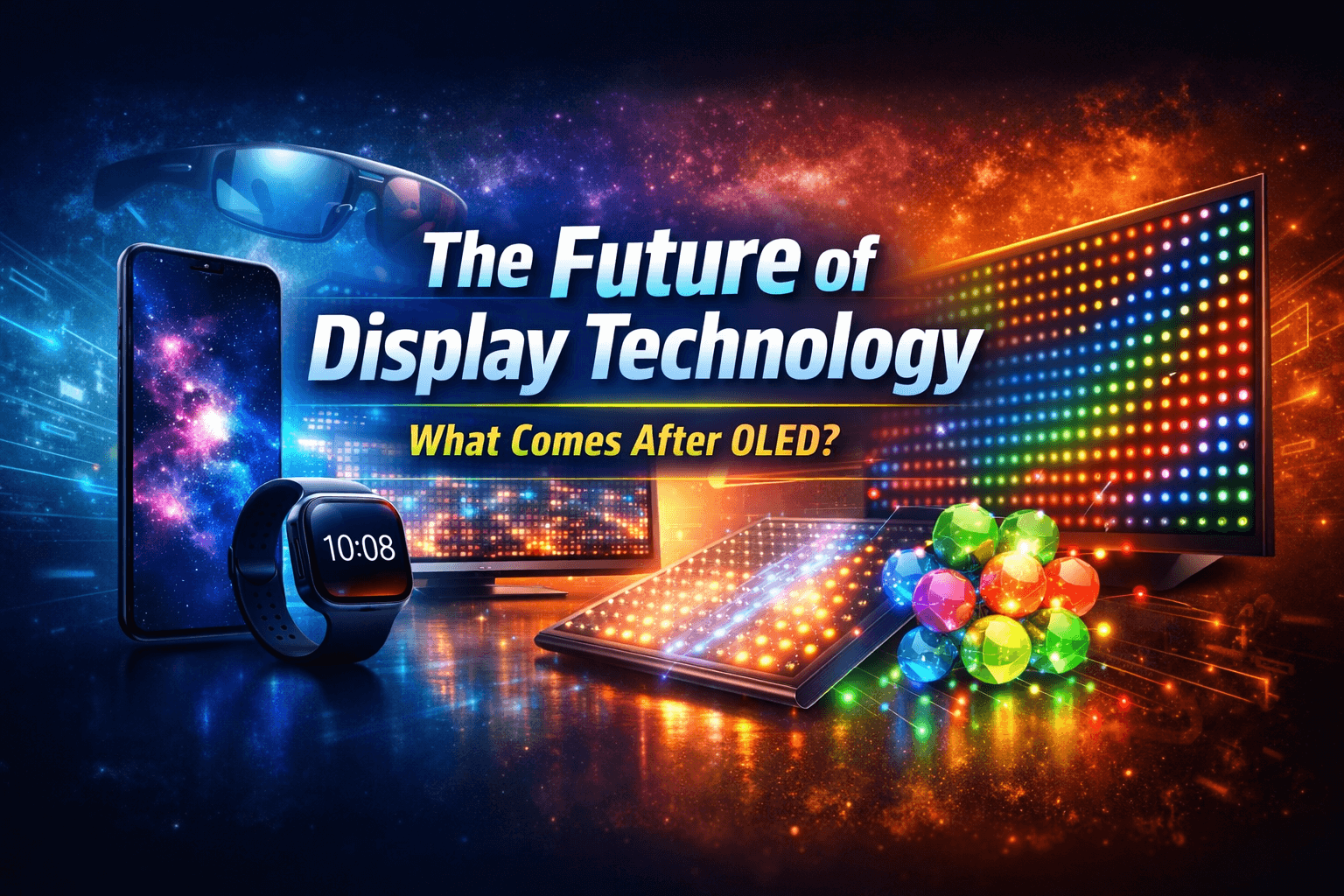
The Future of Display Technology: What Comes After OLED?

From smartphones and smartwatches to TVs, cars, and AR glasses, displays have become the primary interface between humans and technolog...
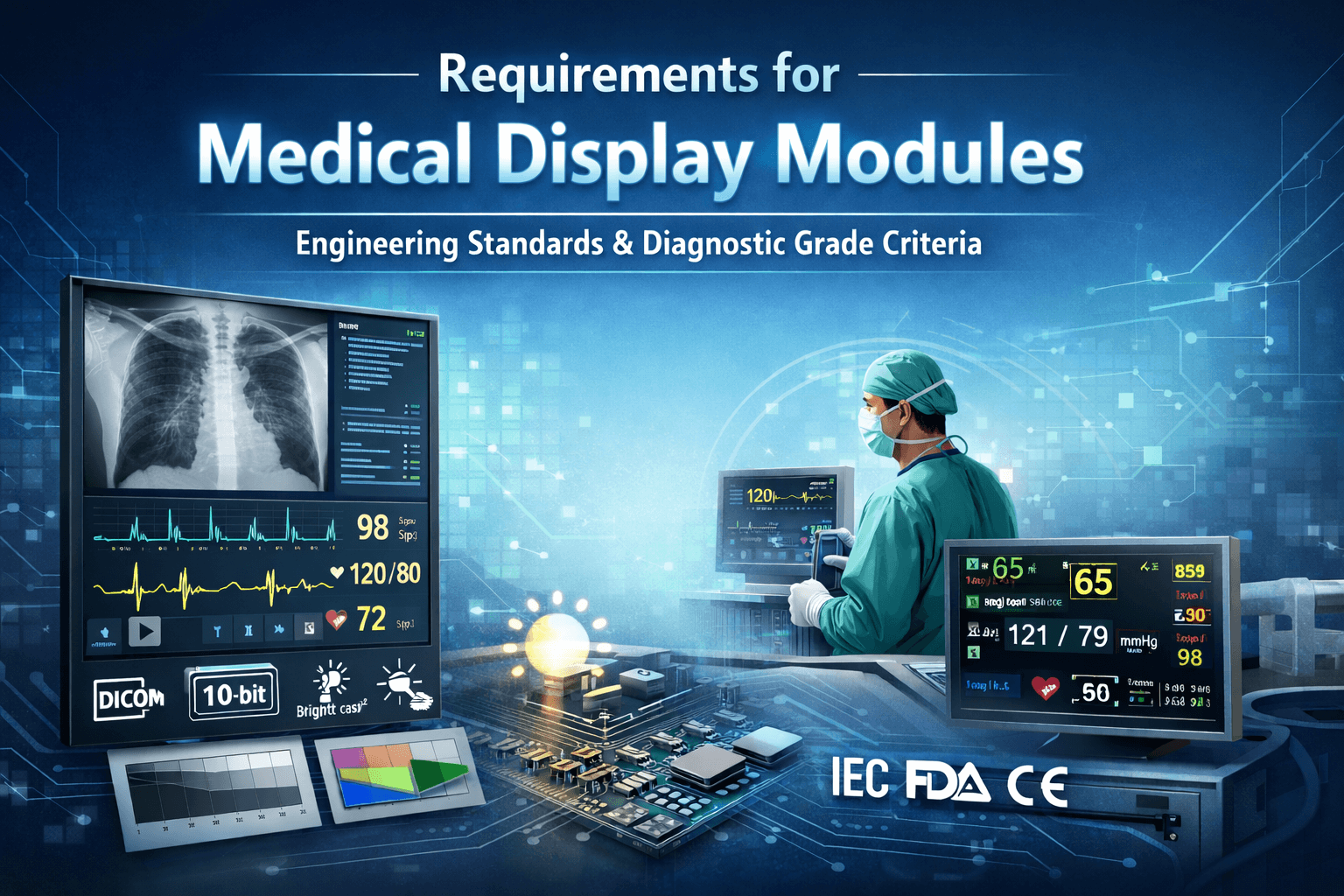
Requirements for Medical Display Modules

Medical displays are not simply “brighter and more expensive monitors”. They are system-level engineering products, covering optics, el...
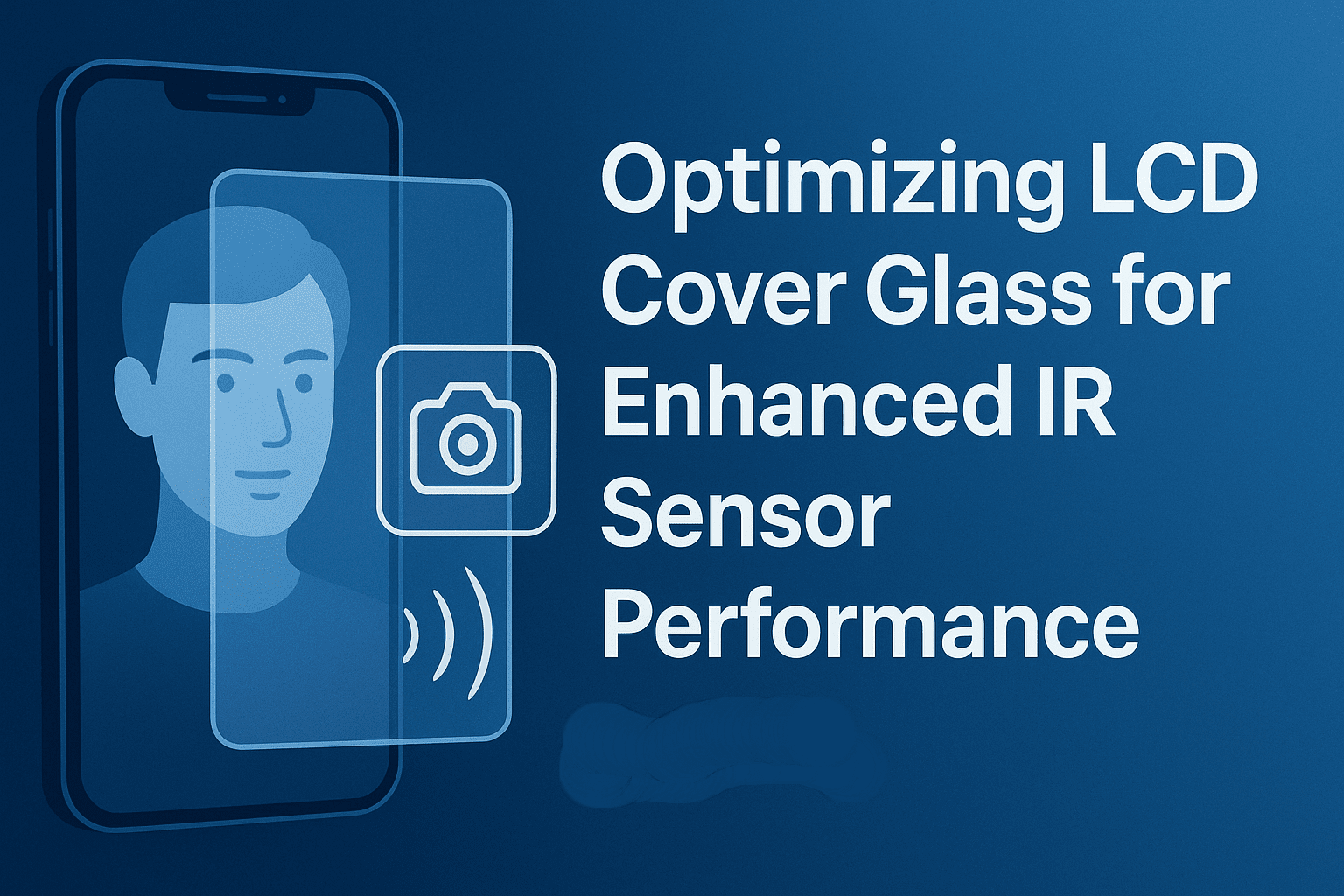
Optimizing LCD Cover Glass for Enhanced IR Sensor Performance
When designing applications that rely on infrared technology—be it a sleek smartphone with facial recognition or a responsive optical t...
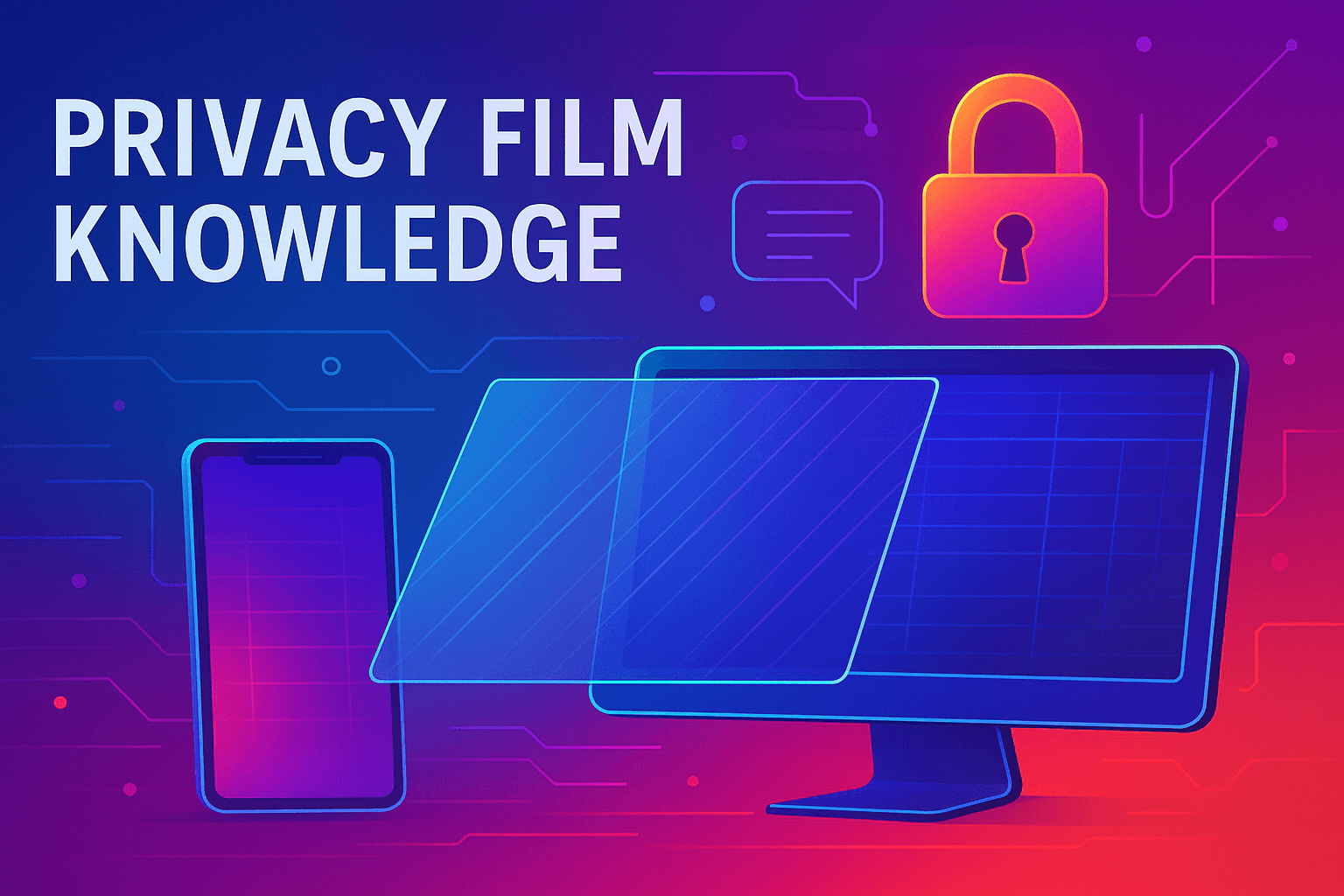
Privacy Film Knowledge
Types of Privacy Films
Type
Principle
Features
Typical Applications
Micro-Louver Type
Uses micro-louver structures to r...
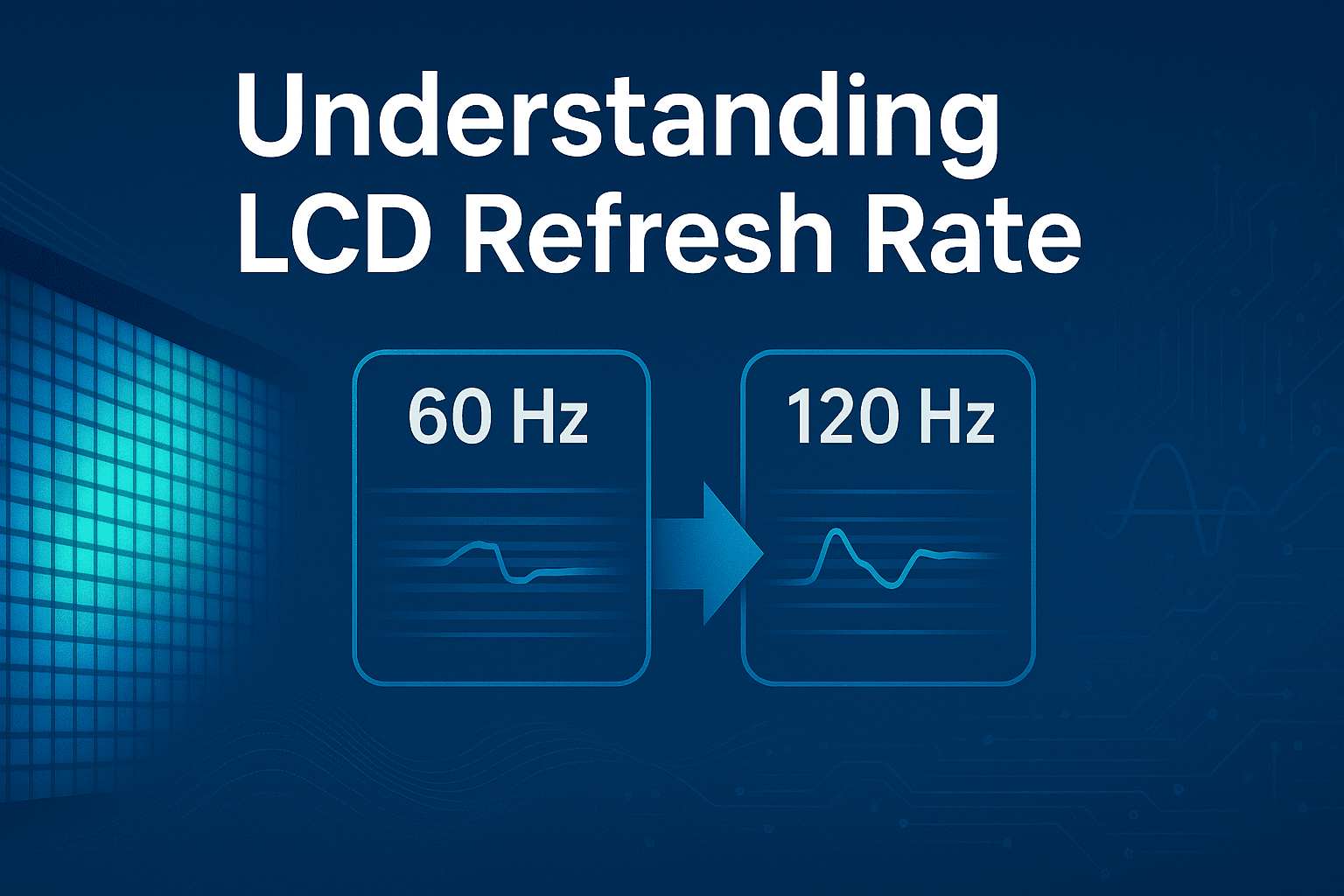
Understanding LCD Refresh Rate and Its Engineering Significance
The refresh rate of a Liquid Crystal Display (LCD) is a critical specification that reflects the number of times the display updates it...
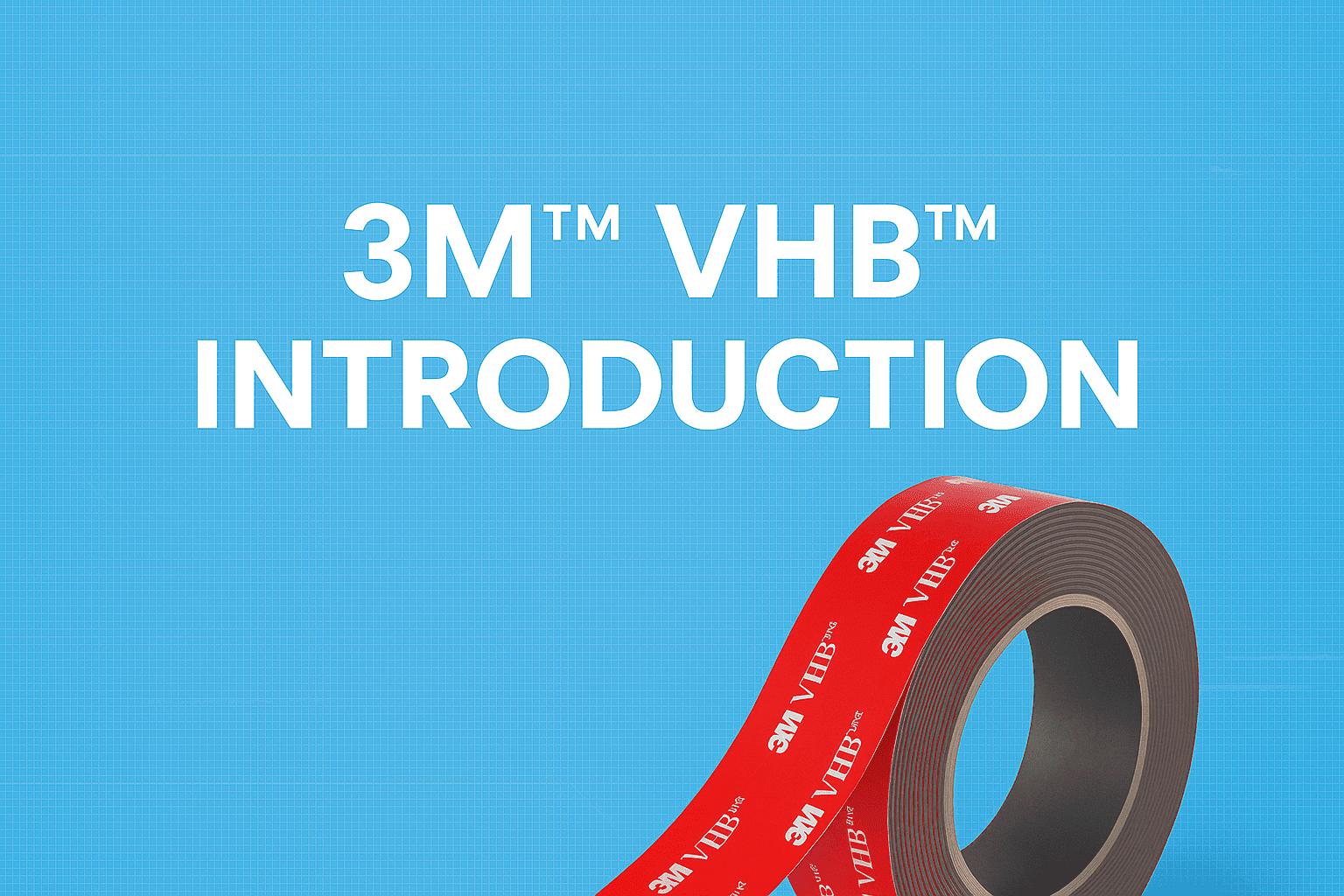
3M VHB Introduction

What it is VHB?
“VHB” stands for Very High Bond. The tape family is a line of double-sided acrylic-foam adhesive tapes that are de...
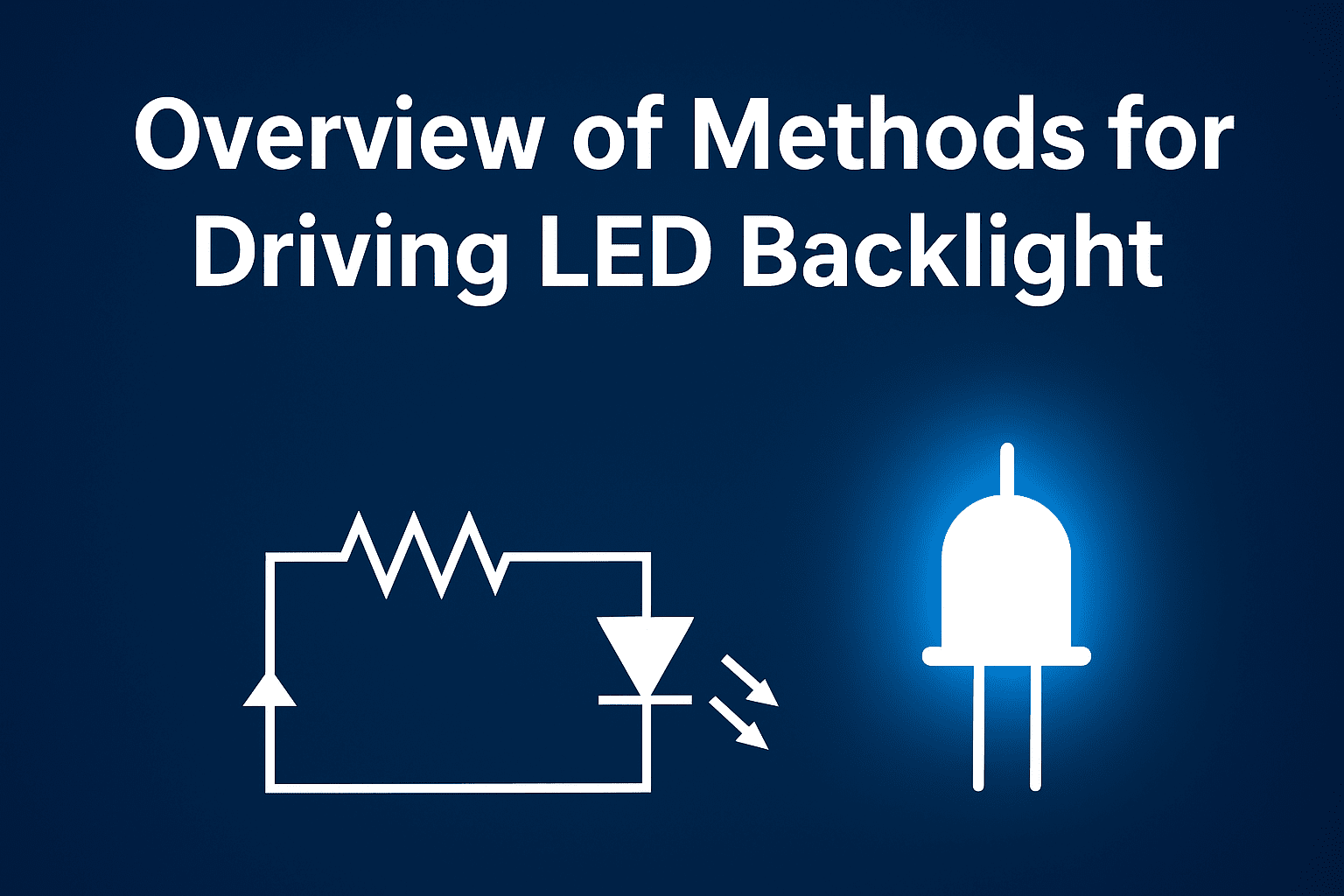
Overview of Methods for Driving LED Backlight
1. Operating Principle of LEDs
Before designing a driver circuit, it is important to understand how an LED operates. The brightness of...
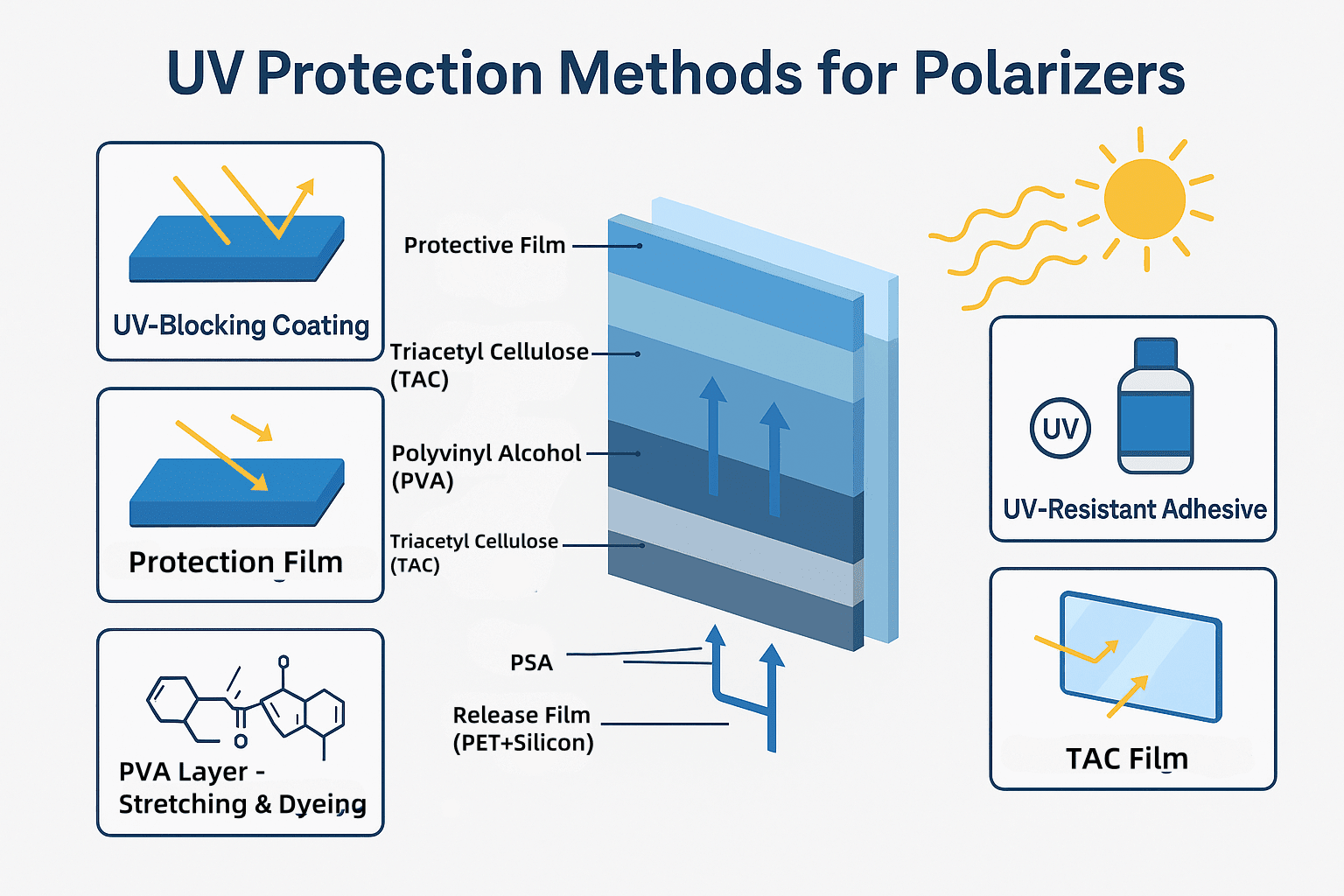
UV Protection Methods for Polarizers
Enhancing UV Resistance (100nm ~ 400nm) in Polarizers
Enhancing UV resistance (100nm ~ 400nm) is essential to prevent the polarizer la...
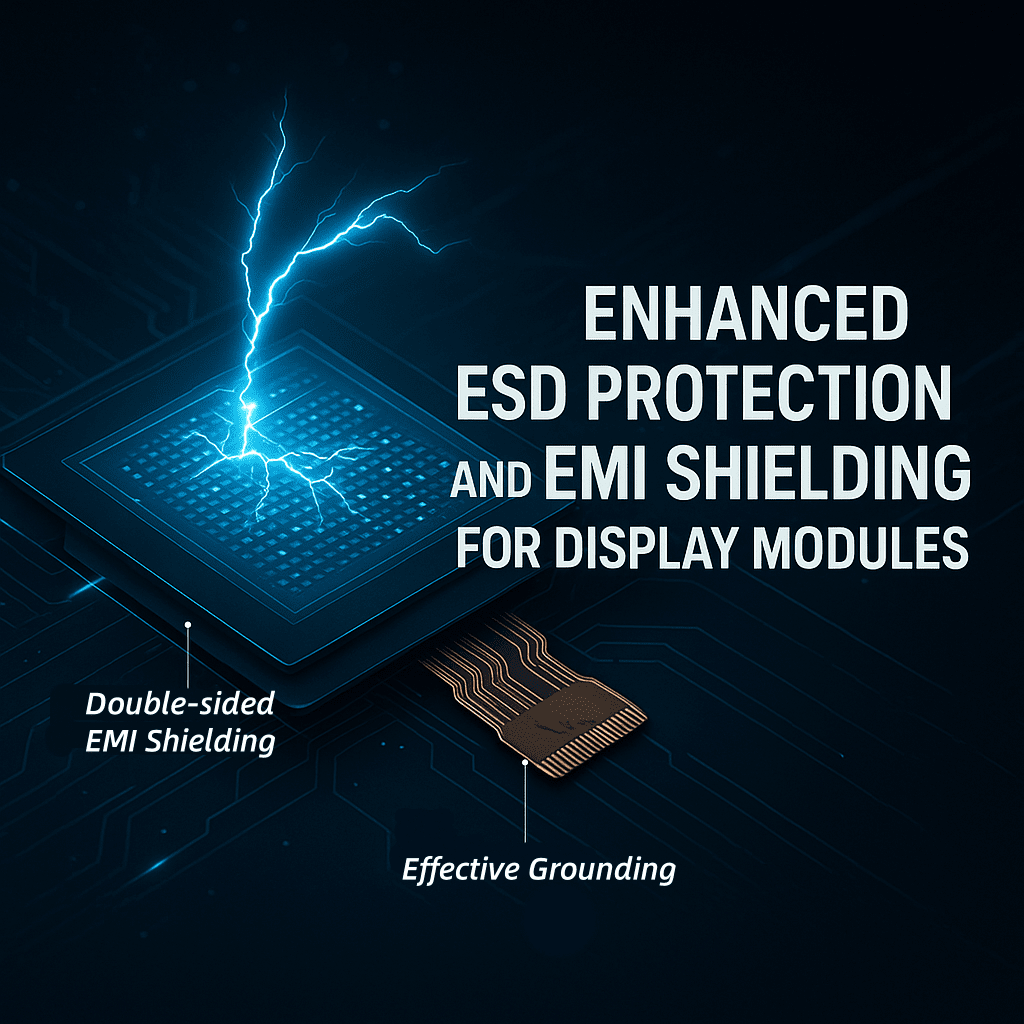
Enhanced ESD Protection and EMI Shielding for Display Modules
Key Reasons for ESD Requirements for Displays Becoming Increasingly Common
Electronic Components Are Becoming More Precise and S...