

Displays
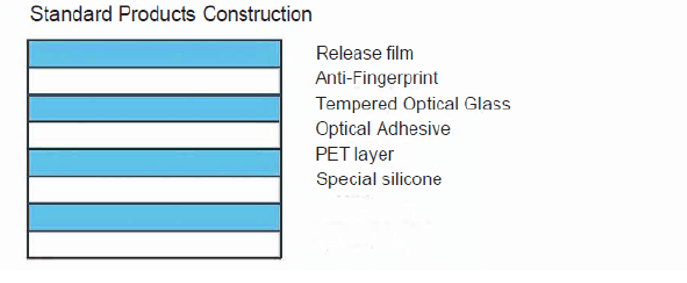
Special Screen Protector for LCD

Phantom Glass is a brand of high-end tempered glass screen protectors designed for electronic devices like smartphones, tablets, and la...
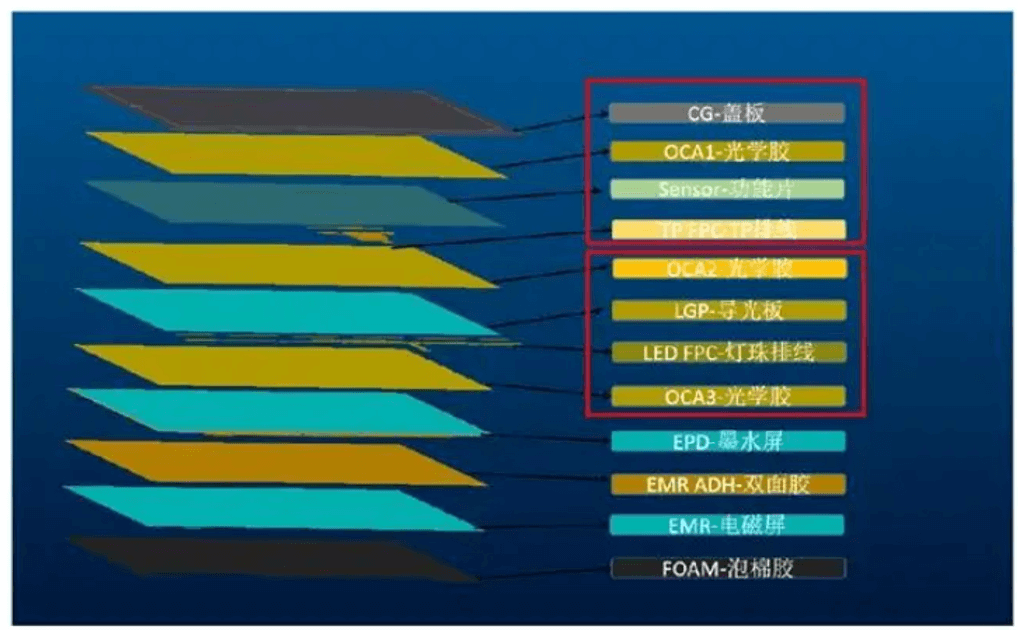
E-paper/E-ink Front-light Introduction

LCD modules typically have a backlight because they are transmissive, but e-paper is reflective and does not have a backlight, making i...
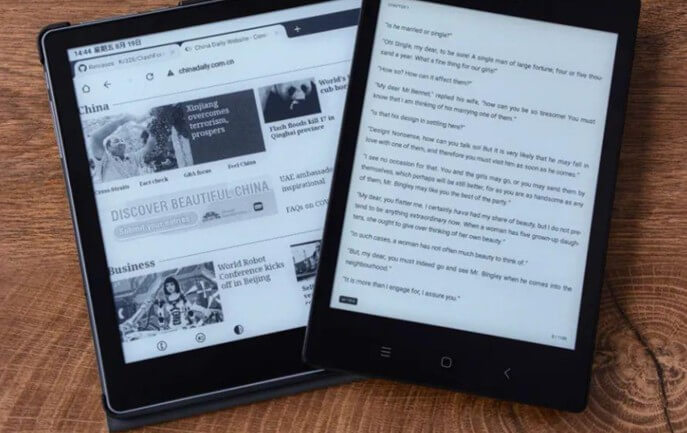
Introduction to E-paper
1. The Concept of E-paper
E-paper can maintain its display even when powered off, possessing a certain memory capacity and most functi...
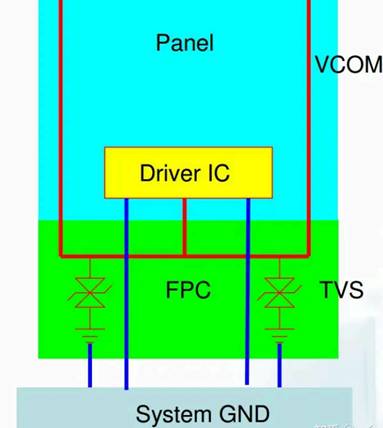
LCD Display ESD Standards and Improvement
IEC 61000-4-2 is an electromagnetic compatibility (EMC) standard developed by the International Electrotechnical Commission (IEC), spec...

Unique Requirements for Touch Controllers in Two-Wheeled Electric Vehicle Touch Screens
Although countless articles about the future of transportation focus on four-wheeled electric vehicles, more and more mobility rely mor...
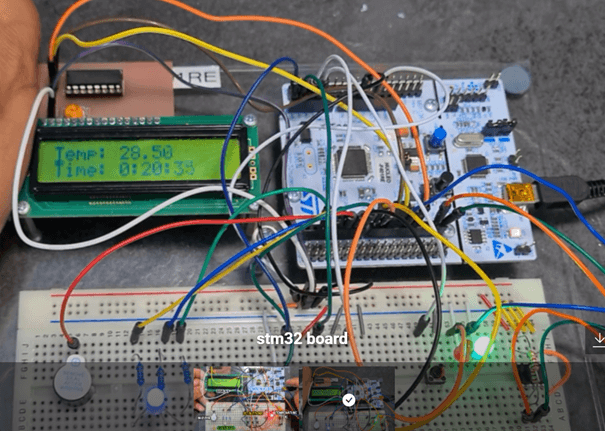
What If a Display Screen Can’t be Light Up?
Summary of Steps to Resolve Issues When the Display Screen Won't Turn On
Step 1:
Provide the schematic diagram and testing program. G...
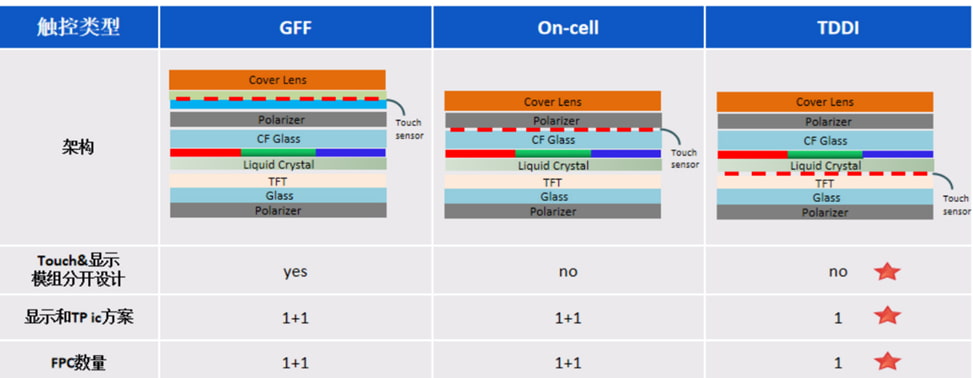
Introduction to Embedded Touch Display Driver Chip (TDDI)
TDDI (Touch and Display Driver Integration) technology combines touch functionality with the display driver in a single chip, simplifyi...
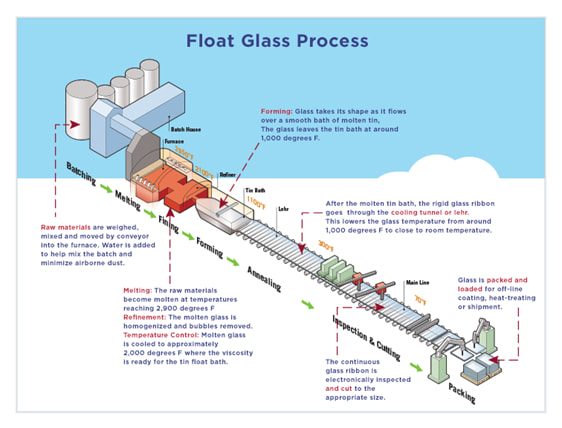
Introduction to Cover Glass for Displays
Cover Glass (Cover Lens) is primarily used as the outermost layer of touch screens. The main raw material for these products is ultra-t...

The analysis of Waterproof Requirements for Touch and Displays

Normally, for our display screens, when a customer mentions waterproofing, we need to clarify which part of the display needs to be wat...